Madrid
Save70 hand-picked places in 10 lists. Tick the categories you want to see on the map.
Only have a day? See 4 ready-made day plans ↓15 places on the map
Museums
- 1
Spain’s main national art museum with masterpieces by Velázquez and Goya.
- Tip: Early or late
- Tip: Weekdays
- Tip: Book ahead
4 tips
- Prioritize your visit: the collection is vast, so decide which masterpieces you want to see most.
- Take advantage of free admission hours, if available, but expect larger crowds during these times.
- Rent an audio guide for a more in-depth understanding of the artworks.
- Wear comfortable shoes as you will be doing a lot of walking.
📷 Photos
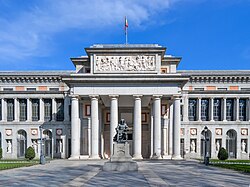
Emilio J. Rodríguez Posada · CC BY-SA 2.0 - 2
National museum of 20th‑century art, home to Picasso’s Guernica.
- Tip: At night
- Tip: Weekdays
- Tip: Book ahead
3 tips
- Check for free admission hours, usually in the evenings.
- Start with Guernica, but don't miss other collections.
- The museum is located near Atocha train station, making it easily accessible.
📷 Photos
- 3
Major art museum spanning medieval to modern works.
- Tip: Go early
- Tip: Weekdays
- Tip: Book ahead
- Tip: Allow a few hours
3 tips
- Check the museum's website for current exhibitions, as they often have impressive temporary displays.
- Don't miss the works of artists like Van Gogh, Monet, and Picasso.
- An audio guide can enhance your experience by providing detailed information about the artworks.
📷 Photos
- 4
House‑museum of Joaquín Sorolla with luminous paintings and gardens.
- Tip: Early or late
- Tip: Book ahead
4 tips
- Explore the beautiful gardens surrounding the museum, as they are a highlight.
- Pay attention to Sorolla's use of light and color in his paintings.
- The museum is housed in Sorolla's former home and studio, offering a unique glimpse into his life.
- Check for temporary exhibitions or special events on their website.
📷 Photos
- 5
Spain’s national archaeological museum with artifacts from prehistory to modern era.
- Must know: Closed Mondays
- Tip: Allow a few hours
3 tips
- Consider taking a guided tour or using an audio guide to enhance your experience.
- Photography without flash is usually permitted, but check for specific exhibit restrictions.
- The museum is located near other attractions like Retiro Park and the Prado Museum, so you can combine your visit.
📷 Photos
- 6
Cultural center known for exhibitions and its vertical garden.
- Tip: Book ahead
5 tips
- Check their website for current exhibitions and events.
- Admire the unique vertical garden on the exterior.
- Explore the various exhibition halls.
- Visit the bookshop and the cafe.
- It's located near other major museums like the Prado and Reina Sofía.
📷 Photos

Fernando · CC BY-SA 4.0 - 7
19th‑century art and decorative arts in a historic palace.
📷 Photos

manuel m. v. from Valdemoro, Spain · CC BY 2.0 - 8
Aristocratic 19th‑century mansion with eclectic collections.
- Tip: Go early
4 tips
- Explore the lavish interiors and extensive art collection.
- Check for temporary exhibitions and special events.
- Consider visiting on a free admission day if available.
- The museum is located near Plaza de España, so combine your visit with other nearby attractions.
📷 Photos
- 9
Natural history museum with geology, zoology, and paleontology collections.
📷 Photos

Luis García (Zaqarbal) · CC BY-SA 3.0 - 10
Railway museum housed in a historic station.
5 tips
- Visit the museum to explore its collection of historic trains and railway artifacts.
- Take time to appreciate the architecture of the historic station itself, which houses the museum.
- Check their website for special events or temporary exhibitions, as they sometimes host railway-themed activities.
- Consider visiting with children, as many exhibits are engaging for younger visitors.
- Look for any interactive displays that provide insights into the history of Spanish railways.
📷 Photos

Barcex · CC BY-SA 3.0 - 11
Anthropology collections highlighting cultures around the world.
- Tip: Go early
- Tip: Weekdays
4 tips
- Focus on specific regions or themes that interest you the most to make the most of your visit.
- Check their official website for current exhibitions and special events before you go.
- The museum is located near Atocha Station, making it easily accessible by public transport.
- There is a small café on-site if you want to grab a coffee or a snack during your visit.
📷 Photos

Luis García (Zaqarbal) · CC BY-SA 3.0 - 12
Private collection museum with European art and decorative arts.
- Tip: Allow a few hours
4 tips
- The Museo Lázaro Galdiano is a private collection, offering a more intimate museum experience.
- Check the museum's website for opening hours and special exhibitions before your visit.
- The museum is housed in a beautiful mansion, so take time to appreciate the architecture and gardens.
- It's located in the Salamanca district, which is a lovely area to explore with shops and cafes nearby.
📷 Photos

Luis García (Zaqarbal) · CC BY-SA 3.0 - 13
Museum dedicated to the art and cultures of the Americas.
- Tip: Go early
- Tip: Weekdays
4 tips
- Check the museum's website for current exhibitions and events.
- Focus on the pre-Columbian collections, which are particularly impressive.
- Consider taking a guided tour to gain deeper insights into the exhibits.
- The museum is near the Complutense University, so you could combine your visit with exploring the university area.
📷 Photos

Luis García (Zaqarbal) · CC BY-SA 3.0 - 14
Museum of costume and fashion from the 16th century to today.
- Tip: Weekdays
4 tips
- Check the museum's website for current exhibitions and events.
- Explore the extensive collection of historical and contemporary fashion.
- Take advantage of the beautiful gardens for a stroll.
- There is a cafe and a library on-site.
📷 Photos

Cruccone · CC BY 3.0 - 15
Spanish naval history museum with maps, models, and artifacts.
- Tip: Go early
- Tip: Weekdays
5 tips
- The Museo Naval in Madrid is a great place to learn about Spanish naval history.
- It's free to enter, which is a bonus.
- Plan to spend a couple of hours exploring the various exhibits.
- Look for the Juan de la Cosa map, which is a highlight.
- It's located near the Prado Museum, so you can combine your visit with other cultural attractions.
📷 Photos

Fernando · CC BY-SA 4.0
Take this map with you
Opens Google Maps with these places, ready to save to your own list.
Before you go: Madrid tips
Transportation
- Utilize Madrid's extensive and efficient Metro system for getting around the city quickly and easily. Purchase a Multi card for convenient travel.
- Consider taking the train for day trips to nearby cities: the AVANT high-speed train to Toledo, or the train to Segovia.
- For shorter distances within central Madrid, walking is often the best way to explore and soak in the atmosphere.
- Ride-hailing apps like Uber and Cabify are readily available and can be a convenient option, especially at night.
- Public buses are a good alternative to the Metro for specific routes and offer a different perspective of the city. Use Google Maps for real-time bus information.
- Be aware of Madrid's "Madrid Central" low-emission zone; if you are considering renting a car, ensure it complies or face fines. Parking can also be challenging and expensive in the city center.
- Taxis are plentiful and can be hailed on the street or found at designated stands. Ensure the meter is running.
Security
- Be aware of pickpockets, especially in crowded tourist areas like Puerta del Sol, Plaza Mayor, and on public transportation. Keep your belongings secure and out of sight.
- Use officially licensed taxis or ride-hailing apps (Uber, Cabify) and avoid unregistered cars.
- Keep an eye on your drinks in bars and clubs to prevent tampering.
- Be cautious when using ATMs, especially at night. It's safer to use ATMs inside banks or well-lit areas.
- While generally safe, avoid walking alone in less illuminated or unfamiliar areas late at night.
- Carry only essential documents and a limited amount of cash. Leave valuable items in your hotel safe.
- Be wary of distraction techniques, such as someone "accidentally" spilling something on you or offering unsolicited help.
- Research neighborhoods before visiting to understand local safety perceptions.
- In case of an emergency, the general emergency number in Spain is 112.
Saving
- Utilize the "Menu del Día" (menu of the day) for lunch, which offers a fixed-price, multi-course meal that is typically very affordable and includes a drink.
- Walk or use public transportation (Metro and buses) instead of taxis or ride-hailing services for daily commutes to save on transportation costs.
- Explore free attractions like Retiro Park, the Royal Palace's exterior, and many of Madrid's museums (e.g., Prado Museum, Reina Sofía Museum) during their free admission hours.
- Consider staying in neighborhoods slightly outside the main tourist areas, such as La Latina or Malasaña, for potentially cheaper accommodation options.
- Shop at local markets like Mercado de San Miguel or Mercado de la Paz for fresh produce and ingredients if your accommodation has kitchen facilities, or for affordable and authentic tapas.
Weather/Clothing
- Pack layers: Madrid experiences significant temperature swings between day and night, and across seasons.
- Be prepared for dry heat in summer: July and August can be very hot and dry; lightweight, breathable clothing is essential.
- Consider warmer clothing in winter: December to February can be quite cold, so bring a warm coat, scarf, and gloves.
- Comfortable walking shoes are a must: You'll be doing a lot of walking on cobbled streets and exploring the city on foot.
- Dress smartly for evenings: While generally casual, Madrileños tend to dress up a bit more for dinner or going out in the evening.
Cultural
- Embrace the late-night culture: Dinner is typically later (9-11 PM), and social activities extend well into the night.
- Learn some basic Spanish phrases: While English is spoken in tourist areas, locals appreciate the effort to speak Spanish.
- Experience a flamenco show: Madrid is a great place to see authentic flamenco, with many tablaos offering performances.
- Visit the "Golden Triangle of Art": Explore the Prado Museum, Reina Sofía Museum, and Thyssen-Bornemisza Museum.
- Enjoy the tapas culture: Participate in the tradition of "tapeo" by hopping between bars and trying various small dishes.
Local Hacks
- Utilize the "Menu del Día": Many restaurants offer a "Menu del Día" (menu of the day) during lunchtime (typically 1:30 PM to 4:00 PM), which includes 2-3 courses, bread, and a drink at a set, affordable price. It's a great way to experience local cuisine and save money.
- Master the Metro: Madrid's Metro system is incredibly efficient, clean, and extensive. Purchase a Multi card for easy access to all public transportation and load it with a 10-trip ticket (Abono de 10 viajes) for the best value if you'll be using it frequently.
- Embrace the "Siesta" culture (for some shops): While not as prevalent as it once was, some smaller, traditional shops (especially outside main tourist areas) might still close for a few hours in the early afternoon for siesta. Plan your shopping accordingly.
- Enjoy free museum hours: Many of Madrid's world-class museums, such as the Prado Museum, Reina Sofía Museum, and Thyssen-Bornemisza Museum, offer free admission during specific hours in the late afternoon or evening. Check their websites for schedules to save on entry fees.
- Walk everywhere: Madrid is a very walkable city, especially in the central areas. Walking is often the best way to discover hidden gems, charming streets, and local life. Wear comfortable shoes!
- Learn basic Spanish phrases: While many people in tourist areas speak English, knowing some basic Spanish phrases like "Hola" (Hello), "Gracias" (Thank you), "Por favor" (Please), "La cuenta, por favor" (The bill, please), and "¿Cuánto cuesta?" (How much does it cost?) will be greatly appreciated by locals and enhance your experience.
- Visit local markets: Explore markets like Mercado de San Miguel (though more touristy, still worth a visit for variety) or Mercado de la Cebada for fresh produce, local delicacies, and a vibrant atmosphere. They're great for a casual meal or picking up snacks.
- Be aware of "Sobre" (cover charge): Some bars, especially those offering live music, might have a small "sobre" or cover charge. It's usually indicated, but it's good to be aware.
- Tapas culture: Embrace the traditional Spanish tapas culture. Many bars offer a free tapa with your drink, or you can order several small dishes to share. It's a fantastic way to sample a variety of local flavors.
- Afternoon coffee/merienda: Join the locals for "merienda" in the late afternoon (around 5-7 PM), which is a light snack or coffee break. It's a relaxed way to bridge the gap between lunch and the later Spanish dinner times.
1-day itineraries in Madrid
Only have a day? Each one keeps you in one area, from morning to late afternoon, with lunch nearby.
Day 1 of 4
Old Madrid
🕘 9:30–17:45📍 7 stops
- 1Puerta del Sol
- 2Plaza Mayor
- 3Mercado de San Miguel
- 4Plaza de la Villa
- 5Calle de Cava Baja
- and 2 more
Lunch at Casa Amadeo de los Caracoles
See the day →Day 2 of 4
Madrid's royal quarter
🕘 9:30–18:15📍 7 stops
- 1Plaza de Oriente
- 2Palacio Real de Madrid
- 3Catedral de la Almudena
- 4Jardines de Sabatini
- 5Museo Cerralbo
- and 2 more
Lunch at La Mi Venta
See the day →Day 3 of 4
Madrid's art walk
🕘 9:30–18:15📍 5 stops
- 1Parque del Retiro
- 2Museo del Prado
- 3CaixaForum Madrid
- 4Museo Reina Sofía
- 5Atocha Tropical Garden
Lunch at La Malontina
See the day →Day 4 of 4
Grand Madrid
🕘 9:30–17:00📍 5 stops
- 1Museo Naval
- 2Plaza de Cibeles
- 3Puerta de Alcalá
- 4Museo Arqueológico Nacional
- 5Círculo de Bellas Artes Rooftop
Lunch at Casa Dani
See the day →More cities in Spain
- A Coruña
- Albarracín
- Alicante
- Almería
- Altea
- Antequera
- Arcos de la Frontera
- Ávila
- Badajoz
- Baeza
- Barcelona
- Benidorm
- Besalú
- Bilbao
- Burgos
- Cáceres
- Cadaqués
- Cádiz
- Calpe
- Cangas de Onís
- Cartagena
- Cazorla
- Conil de la Frontera
- Córdoba
- Cuenca
- Elche
- Figueres
- Frigiliana
- Gijón
- Girona
- Granada
- Huesca
- Ibiza
- Jávea
- Jerez de la Frontera
- Las Palmas de Gran Canaria
- León
- Llanes
- Logroño
- Lugo
- Málaga
- Marbella
- Mérida
- Morella
- Murcia
- Nerja
- Oviedo
- Palma
- Pampaneira
- Pamplona
- Peñíscola
- Pontevedra
- Ronda
- Salamanca
- San Sebastián
- Santa Cruz de Tenerife
- Santander
- Santiago de Compostela
- Santillana del Mar
- Segovia
- Setenil de las Bodegas
- Sevilla
- Sitges
- Sóller
- Tarifa
- Tarragona
- Teruel
- Toledo
- Tossa de Mar
- Trujillo
- Úbeda
- Valencia
- Valladolid
- Vejer de la Frontera
- Vigo
- Vitoria-Gasteiz
- Zaragoza